How to Improve Candidate Experience with Software: A Plan
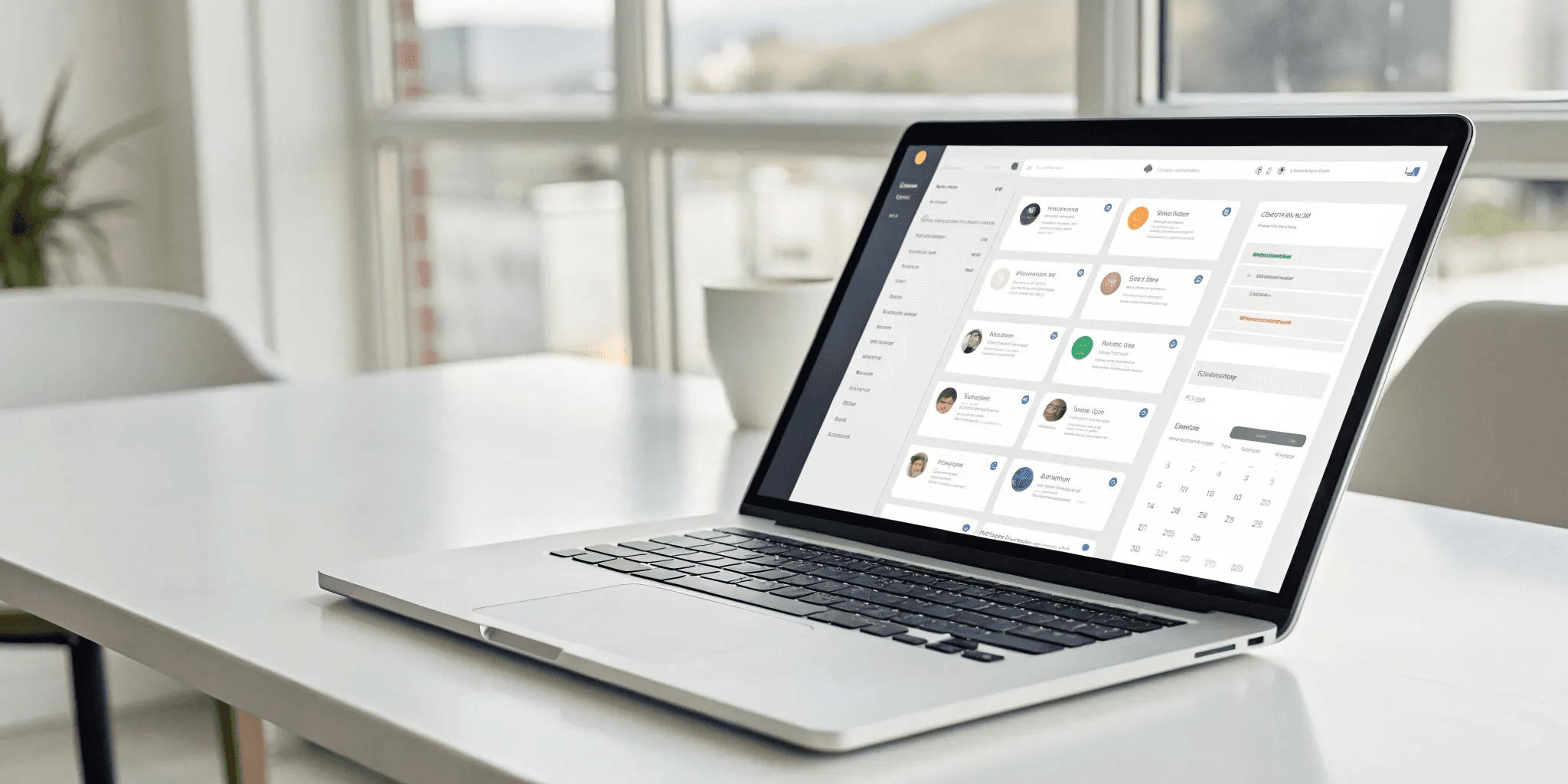
When we talk about technology in recruiting, it’s easy to worry about losing the human touch. But what if the right tools could actually make your process more personal? The biggest complaint from candidates isn’t too much tech; it’s too little communication. By automating the administrative burdens that bog down your team, you free them up to do what they do best: build genuine connections. The goal is to improve candidate experience with software that handles the logistics, so your recruiters can focus on the people. This is about using technology to enhance, not replace, the meaningful interactions that lead to great hires.
Key Takeaways
Treat candidate experience as a business priority: A positive journey for applicants does more than fill a role; it strengthens your employer brand, attracts better talent, and protects your company's reputation.
Use software to handle logistics, not relationships: The best technology automates repetitive tasks like scheduling and status updates, freeing up your team to focus on building genuine connections with candidates.
Measure your success to continuously improve: Track key metrics like application completion rates and candidate satisfaction scores to understand what’s working and make data-driven decisions that refine your hiring process over time.
What Is Candidate Experience (And Why Should You Care)?
Let’s start with the basics. Candidate experience is the overall perception a job seeker has of your company’s hiring process. It’s every single interaction they have with you, from the moment they first see your job ad to the final email they receive, whether it’s an offer or a rejection. Think of it as the customer journey for your future employees. How they feel about that journey directly impacts their view of your company, your brand, and whether they ultimately want to work with you.
A great candidate experience shows you respect people’s time and effort. It signals that your company is organized, communicative, and values its people. On the flip side, a clunky, confusing, or silent process can be a major red flag, suggesting a chaotic or uncaring work environment. In a competitive market, top talent has plenty of options. The experience you provide can be the deciding factor that makes them choose you over another offer. It’s not just about filling a role; it’s about building a reputation as an employer of choice. This is a core part of how recruiters can build a stronger, more effective hiring pipeline.
The Real Cost of a Poor Candidate Experience
A bad candidate experience isn’t just a missed opportunity; it can actively damage your business. When candidates feel ignored or disrespected, they talk. They share their stories with friends, colleagues, and on public review sites like Glassdoor. This negative word-of-mouth can tarnish your employer brand and scare away future top applicants. The numbers don't lie: research shows 52% of candidates get frustrated by a lack of communication, and a staggering 65% rarely or never hear back about their application.
This frustration has tangible costs. The best candidates will quickly withdraw from a process that feels disorganized, leaving you with a smaller, less qualified talent pool. And don't forget, your candidates are often your customers, too. A negative hiring experience can sour their opinion of your brand, leading them to take their business elsewhere.
The Business Case for a Great Candidate Experience
Investing in a positive candidate experience is one of the smartest moves you can make for your company. It’s a powerful way to build a competitive advantage that goes far beyond a single hire. When candidates have a great experience, they are far more likely to accept your job offer, even if it isn’t the highest one on the table. They feel a connection to your company before they even start day one.
This positive impression creates a ripple effect. Happy candidates, even those you don’t hire, become brand ambassadors. They’ll speak highly of your company, refer talented people from their network, and may even reapply for future roles. Improving the candidate experience is about blending smart technology with genuine respect and clear communication. This approach not only helps you attract and hire the best people but also strengthens your brand and supports long-term business growth.
How Software Improves the Candidate Journey
Let’s be honest: a clunky, confusing, or silent hiring process is a huge turn-off for top talent. Candidates today expect a smooth, transparent experience, and if they don’t get it, they’ll find a company that offers it. This is where the right software comes in. It’s not about replacing the human element of recruiting; it’s about handling the tedious, repetitive tasks so your team can focus on building genuine connections. By streamlining applications, automating communication, and personalizing the journey, you can create an experience that attracts the best candidates and strengthens your employer brand.
Simplify the Application Process
Nothing makes a great candidate close a browser tab faster than a long, complicated application. If your process requires someone to re-enter their entire work history manually, you’re losing people. Modern recruiting software helps you design a simple, mobile-friendly application that candidates can complete in minutes, not hours. The best tools also offer self-scheduling options, allowing candidates to book interviews based on your team’s real-time availability. This small feature eliminates the endless back-and-forth emails and puts the candidate in control, creating a positive first impression before you’ve even met.
Automate Communication the Right Way
The term “automation” can sound cold, but when used thoughtfully, it’s the key to keeping candidates warm. The number one complaint from job seekers is the lack of communication. Software solves this by ensuring no one is left in the dark. You can set up automated messages to confirm an application was received, provide updates on timelines, and let candidates know when a decision has been made. Using AI for candidate experience means you can send timely, relevant information that reduces anxiety and shows respect for the candidate’s time, protecting your brand reputation in the process.
Personalize Interactions at Scale
Personalization goes far beyond using a candidate’s first name in an email template. True personalization means making every applicant feel seen, even when you’re managing hundreds of them. With the right software, you can tailor communications based on the specific role, the candidate’s interview stage, or even their skills. Using tech tools to improve the candidate experience allows you to send relevant content about your company culture or team. This level of detail shows you’ve done your homework and are genuinely interested in them as an individual, which makes your company stand out from the competition.
Types of Candidate Experience Software
Once you’ve mapped out your candidate journey, you can start looking at software to support each stage. Think of these tools as your recruiting toolkit. You don’t need every single one, but the right combination can make a world of difference for both your team and your applicants. The goal is to find platforms that automate the tedious parts of hiring so your team can focus on what truly matters: building relationships with great candidates.
Many of these systems are designed to work together, often through direct integrations. For example, your scheduling tool should sync with your applicant tracking system, and your interviewing platform should feed data back into your main dashboard. When you choose tools that communicate with each other, you create a seamless workflow for your recruiters and a smooth, professional experience for your candidates. Let’s walk through the main categories of software that can help you create a better hiring process from start to finish.
Applicant Tracking Systems (ATS)
At its core, an Applicant Tracking System (ATS) is your central hub for hiring. It’s the software that organizes and manages your entire pipeline, from the moment an application is submitted to the final offer letter. A good ATS automates the administrative side of recruiting, keeping track of each candidate's status so no one gets lost in the shuffle. For candidates, this means they receive timely updates and aren't left wondering where they stand. For your team, it means less manual data entry and a clear, organized view of every open role. It’s the foundational piece of tech for any modern recruiting team.
AI Interviewing Platforms
AI interviewing platforms are designed to make the screening process smarter, fairer, and more efficient. These tools use artificial intelligence to help with everything from initial phone screens to in-depth interviews, reducing manual work for recruiters. By handling tasks like notetaking and analysis, AI-powered solutions free up your team to focus on the human side of hiring, like building rapport with top contenders. This leads to more insightful conversations and a better experience for candidates, who get to engage with a recruiter who is fully present and prepared. It’s about using technology to enhance, not replace, meaningful human connection.
Recruiting Chatbots
Recruiting chatbots are your first line of engagement, offering instant support to candidates visiting your careers page. These AI-powered bots can answer frequently asked questions about job openings, company culture, and benefits, 24/7. They can also help with initial screening by asking basic qualifying questions and even assist with scheduling the first conversation with a recruiter. This immediate interaction shows candidates you value their time and provides them with the information they need right away. It’s a simple way to make your hiring process more accessible and responsive from the very first touchpoint.
Communication and Scheduling Tools
The endless email chain to schedule an interview is a classic point of friction for candidates. Modern communication and scheduling tools eliminate this headache completely. These platforms often integrate directly with your team’s calendars, allowing candidates to see real-time availability and book a time that works for them in just a few clicks. This simple shift empowers candidates, respects their time, and makes your company look organized and efficient. It removes unnecessary delays and ensures the process keeps moving forward smoothly, creating a positive impression right from the start.
Video Interviewing Software
Video interviewing software has become an essential tool for connecting with talent anywhere in the world. These platforms provide the technology for both live interviews and one-way, pre-recorded screenings where candidates answer a set of questions on their own time. This flexibility is a huge win for candidates, as it reduces the need for travel and allows them to interview from the comfort of their home. For recruiters, it streamlines the early stages of the process, making it easier to assess a larger pool of applicants. When done right, video interviews can make your hiring process more efficient and accessible for everyone involved, showing that your company is modern and adaptable.
Key Software Features to Look For
Once you start exploring candidate experience software, you’ll find a crowded market. It’s easy to get distracted by flashy features, but the best tools are the ones that solve real problems for your team and your candidates. The right software should feel like a natural extension of your recruiting process, not another complicated system to manage. Think of it as building a recruiting tech stack that works in harmony, where each piece of technology communicates effectively with the others to create a smooth, efficient workflow.
As you evaluate your options, focus on a few core capabilities that have the biggest impact on the candidate journey. Look for platforms that are easy for everyone to use, connect seamlessly with the tools you already have, and provide the data you need to make smarter hiring decisions. The goal is to find a solution that simplifies complexity and allows your team to focus on what they do best: building relationships with great candidates. A great tool doesn't just automate tasks; it enhances the human element of recruiting by freeing up your team's time for more meaningful interactions. Below are the non-negotiable features to add to your checklist.
A User-Friendly, Mobile-First Design
Your software’s interface is the first thing candidates and recruiters will notice, and a clunky design can sink the experience from the start. For candidates, the application process must be simple and accessible on any device. If they can’t easily apply from their phone, you risk losing top talent before you even know they exist. For your team, the platform should be just as intuitive. Recruiters need to manage tasks on the go, so a mobile-friendly design is essential for reviewing applications and communicating with candidates from anywhere. A clean, straightforward interface reduces frustration and training time, making everyone’s job easier.
Seamless System Integrations
No single piece of software can do everything. That’s why it’s so important to choose tools that play well with others. Your candidate experience software should integrate smoothly with your core systems, especially your Applicant Tracking System (ATS). This connection creates a single, reliable source for all candidate data, eliminating the need for manual entry and reducing the risk of errors. A well-integrated system automates the flow of information, ensuring that every step of the hiring lifecycle, from sourcing to interviewing, is connected and efficient. This creates a streamlined workflow for your team and a more coherent journey for the candidate.
Real-Time Communication and Feedback
The long wait after an interview is one of the most stressful parts of the job search. The right software can help you close that communication gap. Look for features that make it easy to provide quick updates and feedback. Tools like automated scheduling can eliminate the back-and-forth of finding a time to talk, while asynchronous AI interviewing platforms allow candidates to complete interviews on their own schedule. These features show that you respect the candidate’s time and are committed to a transparent process. By speeding up communication, you not only improve the candidate experience but also shorten your time-to-hire.
Actionable Analytics and Reporting
You can’t improve what you don’t measure. The best candidate experience software provides clear, actionable data that helps you understand what’s working and what isn’t. Instead of just giving you spreadsheets of raw numbers, it should offer insightful reports that reveal bottlenecks in your hiring process. With the right recruiting metrics, you can see where candidates are dropping off, how long each stage takes, and how different channels are performing. This data empowers your team to make informed decisions, address weak spots, and continuously refine your strategy to create a better experience for every candidate.
Use Software to Improve Candidate Communication
Great communication is the foundation of a positive candidate experience, but it’s often the first thing to slip when your team is stretched thin. Candidates get left in the dark, recruiters get overwhelmed with follow-ups, and your employer brand suffers. This is where the right software can completely change the game. It’s not about replacing human interaction; it’s about handling the repetitive, administrative parts of communication so your team can focus on building genuine connections.
By using technology to automate and streamline your outreach, you can ensure every candidate feels seen, respected, and informed. Modern tools allow you to send timely updates, set clear expectations, and even add a personal touch to automated messages. This consistency builds trust and shows candidates you value their time, whether they get the job or not. It transforms communication from a logistical challenge into a strategic advantage, helping you attract and retain top talent.
Send Automated Messages That Feel Personal
Let’s be honest, nobody likes getting a message that starts with "Dear Applicant." The fear with automation is that it will feel cold and robotic, but today’s tools are designed to do the exact opposite. By pulling data from your applicant tracking system (ATS), you can create templates that feel like they were written just for that individual.
Using dynamic fields for the candidate’s name, the specific role they applied for, and the recruiter’s name makes a world of difference. Good software helps make the hiring process faster and more personal. You can set up triggers to automatically confirm an application was received or send a follow-up after an interview. This ensures no one is left wondering about their status, and it frees up your team to focus on higher-touch interactions. The goal is to use recruiting automation to handle the logistics so you can handle the people.
Create Transparent Feedback Loops
One of the biggest frustrations for job seekers is the hiring "black hole." They apply or interview and then hear nothing for weeks. You can eliminate this anxiety by using software to create clear and transparent feedback loops. It starts with setting expectations from the beginning.
Be open about your hiring process. Use an automated email to share a timeline for each step so candidates know what to expect and when. For example, an automated message could say, "Thanks for your application! Our team will review it within the next seven days, and you can expect to hear about the next steps by Friday." This simple act of transparency builds immediate trust and shows respect for the candidate's time. It keeps them engaged and reduces the number of follow-up emails your team has to field.
Maintain Consistent Touchpoints
Consistency is key to a great candidate experience. Every applicant should receive the same level of communication, regardless of who is managing their application. Software makes it easy to standardize your process and maintain regular touchpoints with every single candidate. You can schedule automated check-ins to keep candidates warm or send bulk updates to everyone who applied for a specific role.
Don't go silent. Even if you don’t have a significant update, a quick note saying "We're still reviewing candidates and will be in touch next week" is far better than silence. These consistent touchpoints show that you haven't forgotten about them and that you have a structured, professional process. This is especially important when delivering bad news. A timely, respectful rejection notice preserves your company’s reputation and leaves the door open for future opportunities.
Personalize Your Candidate Outreach
Going beyond just using a candidate’s name, modern AI tools can help you personalize outreach at scale. Personalization matters because it makes candidates feel valued as individuals, not just as another number in your pipeline. Software can help you send personalized updates and feedback that resonate more deeply than a generic template ever could.
For instance, after an initial screening, an AI-powered tool can help you draft a follow-up email that references a specific skill or experience mentioned in the interview. This level of detail shows you were paying attention and genuinely considered their qualifications. This approach transforms the candidate experience from a transactional process into a relational one. By leveraging AI in recruiting, you can provide a thoughtful experience that makes your company stand out, even to candidates you don’t end up hiring.
Common Hurdles When Adopting New Software
Introducing new software into your recruiting process is exciting. It promises efficiency, better data, and a smoother experience for everyone involved. But let’s be honest, the path from purchase to seamless adoption isn’t always a straight line. Bumps in the road are normal, but anticipating them is the key to a successful rollout. From getting your team on board to making sure your new tool plays nice with your existing systems, a little foresight goes a long way.
Before you sign a contract, it’s helpful to map out the potential challenges. Think about your team’s current workflows. Where will this new tool fit in? Who will be the daily users, and what are their biggest pain points right now? Answering these questions helps you build a business case that resonates with your team, not just leadership. It also prepares you for the technical questions you’ll need to ask vendors about integration and security. A new tool can also raise valid concerns about maintaining a personal touch with candidates or protecting their sensitive data. By addressing these hurdles proactively, you can choose the right software and create a launch plan that sticks. This approach ensures you actually get the results you’re looking for: a better candidate experience and a more effective hiring process.
Overcome Team Resistance to Change
It’s human nature to be wary of new things, especially when they change how we work. Your team might worry that a new tool will be complicated or make their jobs obsolete. The best way to get ahead of this is to involve them from the start. Ask for their input during the selection process and be transparent about why you’re making a change. Focus on how the software will make their lives easier, not just how it benefits the company. By framing it as a tool to reduce administrative tasks and free them up for more strategic work, you can transform skepticism into excitement. Good change management starts with empathy and clear communication.
Handle Complex Integrations
Your recruiting software doesn’t operate in a vacuum. It needs to connect smoothly with your Applicant Tracking System (ATS), HRIS, and other tools to be effective. A clunky integration can create more manual work and data silos, defeating the purpose of the new software. Before you commit, confirm that the tool offers seamless integrations with your existing tech stack. Ask vendors detailed questions about their API capabilities and what the implementation process looks like. A platform designed for recruiters should simplify your workflow, not complicate it. Make sure any tool you choose is built to fit into your ecosystem without friction.
Balance Automation with a Human Touch
Automation is a powerful asset, but it should never replace genuine human connection. Candidates want to feel seen and valued, not like they’re just another number in a system. The goal of technology should be to handle the repetitive, time-consuming tasks so your team has more time for meaningful interactions. For example, an AI interviewer can handle initial screenings consistently and without bias, giving recruiters more time to have deep, strategic conversations with top candidates. The right software enhances the human element of recruiting by creating efficiency. It’s all about finding tools that support your team, allowing them to build stronger candidate relationships.
Address Data Privacy and Security
In recruiting, you handle a lot of sensitive candidate information. Protecting that data is non-negotiable. When evaluating any new software, you must prioritize its security features and compliance with regulations like GDPR and CCPA. A data breach can damage your company’s reputation and erode candidate trust in an instant. Vet each vendor’s security protocols thoroughly. Ask about data encryption, access controls, and their compliance certifications. Partnering with a vendor that takes data privacy seriously is essential for protecting your candidates, your team, and your business.
How to Measure Your Success
Implementing new software is a big step, but your work isn’t done once it’s launched. To truly understand the impact of your investment, you need to measure it. Tracking the right data shows you what’s working, where you can improve, and helps you build a strong business case for your efforts. When you can connect your new tools to concrete improvements in your hiring process, you’re not just guessing, you’re making strategic, data-driven decisions.
Key Metrics to Track
Before you can see how far you’ve come, you need to know where you started. Establishing a baseline for your key performance indicators (KPIs) is the first step. These metrics give you a clear, objective view of your candidate experience and the overall health of your recruiting funnel. By focusing on a few core numbers, you can get a surprisingly detailed story about your process. We’re going to focus on four essential metrics: application completion rates, candidate satisfaction scores, time-to-fill, and offer acceptance rates. Together, they provide a holistic picture of your success.
Application Completion and Drop-Off Rates
Think of your application form as the front door to your company. If it’s hard to open, people will just walk away. The application drop-off rate tells you exactly how many candidates start an application but don’t finish it. A high number is a major red flag, often pointing to a process that’s too long, confusing, or not optimized for mobile devices. Modern recruiting software helps fix this by creating simple, user-friendly application flows. Tracking this metric before and after you implement a new tool is one of the fastest ways to see a tangible return on your investment.
Candidate Satisfaction Surveys (CSAT & NPS)
If you want to know how candidates feel, the best thing to do is ask them. Candidate satisfaction surveys are the most direct way to get this feedback. You can use simple tools like the Candidate Satisfaction Score (CSAT) to ask about specific interactions, or the Net Promoter Score (NPS) to gauge overall loyalty. The NPS asks a simple question: "On a scale of 0-10, how likely are you to recommend applying here to a friend or colleague?" The answers provide powerful, actionable insights. Many recruiting platforms can automate these surveys at key stages, like after an interview or once a position is filled, making it easy to collect feedback consistently.
Time-to-Fill and Offer Acceptance Rates
These two metrics are all about speed and quality. Time-to-fill measures the number of days between a job being posted and an offer being accepted. A long cycle can cause you to lose top talent to faster-moving competitors. The offer acceptance rate shows you what percentage of candidates who receive an offer say yes. A low rate might signal issues with your interview process, communication, or compensation. Software that streamlines scheduling and interviewing, like an AI interviewer, can significantly shorten your time-to-fill and keep candidates engaged, making them more likely to accept your offer.
Best Practices for a Smooth Rollout
Bringing new software into your recruiting process is a big step, and a successful launch goes beyond just flipping a switch. The goal is to make sure the technology actually delivers on its promise to improve the candidate experience without creating headaches for your team. A thoughtful rollout plan is your best friend here. It helps everyone get on board, ensures the tools are used correctly, and sets you up to see a real return on your investment. By focusing on a few key areas from the start, you can make the transition smooth and effective for both your recruiters and your future hires. Think of it as setting the foundation for a stronger, more efficient hiring process.
Train Your Team Effectively
New software is only as good as the people using it. Your recruiting team is on the front lines, so they need to feel confident and capable with any new tool you introduce. Without proper training, even the most powerful platform can lead to frustration and slow adoption. Start by partnering with your software provider for dedicated training sessions. It’s also helpful to identify a few "super-users" on your team who can act as go-to resources for their colleagues. Focus the training on how the software solves their specific day-to-day challenges. When your team understands how a tool makes their job easier, they’ll be much more excited to integrate it into their workflow.
Keep the Focus on the Candidate
Throughout the implementation process, never lose sight of the main goal: creating a better experience for your candidates. Every decision you make about the new software should be viewed through their eyes. Does this feature make applying easier? Does this automation provide clearer, faster communication? Technology should make your hiring process more efficient and transparent, not more robotic. Use software to handle the administrative tasks that slow you down, freeing up your recruiters to spend more time building relationships and having meaningful conversations. A great candidate journey is a powerful tool for attracting top talent and strengthening your employer brand, and the right tech makes that journey possible for every applicant.
Use Data to Continuously Improve
One of the biggest advantages of modern recruiting software is the data it provides. These insights are your roadmap to a better hiring process. Use the analytics and reporting features to understand what’s working and where you have room to grow. You can track key metrics, identify bottlenecks in your pipeline, and ensure a fair and consistent interview process for everyone. For example, AI-powered tools can offer structured insights that help reduce unconscious bias. By regularly reviewing this data, you can make informed, strategic decisions to refine your approach over time. This commitment to continuous improvement ensures your hiring process doesn't just get better, it stays better, giving you a clear competitive edge.
Related Articles
Frequently Asked Questions
How do I know which type of software to start with? If you're starting from scratch, an Applicant Tracking System (ATS) is the best foundation. It acts as your central command center for all things hiring. Once that's in place, look at your biggest bottleneck. Are you drowning in initial screenings? An AI interviewing platform could be your next move. Is scheduling interviews eating up everyone's time? A dedicated scheduling tool will give you an immediate win. The key is to solve your most pressing problem first.
Will using AI and automation make our hiring process feel cold or robotic? That’s a common concern, but it’s actually the opposite when done right. The goal of good software isn’t to replace human interaction; it’s to handle the repetitive, administrative tasks that get in the way of it. By automating things like application confirmations and scheduling, you free up your recruiters to have more prepared, meaningful conversations with candidates. The technology should work in the background to make the human-to-human connection stronger.
We're a smaller company with a limited budget. Is this kind of software still worth it? Absolutely. A great candidate experience isn't just for large corporations; it's a powerful way for smaller companies to compete for top talent. Many modern platforms offer scalable pricing plans that fit a smaller budget. For a growing business, the efficiency you gain is invaluable. Saving your team hours on administrative work means they can focus on finding the right people to help you grow, which is a smart investment at any size.
How can I get my recruiting team on board with using a new tool? The best way to get buy-in is to involve your team from the very beginning. Ask them about their biggest frustrations with the current process and look for software that solves those specific problems. Frame the new tool as something that will make their jobs easier, not more complicated. When they see it as a way to get rid of tedious tasks and focus on the parts of recruiting they love, they'll be much more likely to embrace it.
What's the single biggest mistake companies make when trying to improve their candidate experience with software? The biggest mistake is thinking that software alone will fix a broken process. A tool is only as effective as the strategy behind it. Before you even look at vendors, you need to map out your ideal candidate journey and identify where the real issues are. Technology should support a thoughtful, well-designed process, not act as a bandage on a flawed one. Start with your strategy, then find the software that helps you bring it to life.