8 Best Asynchronous Interview Software Platforms
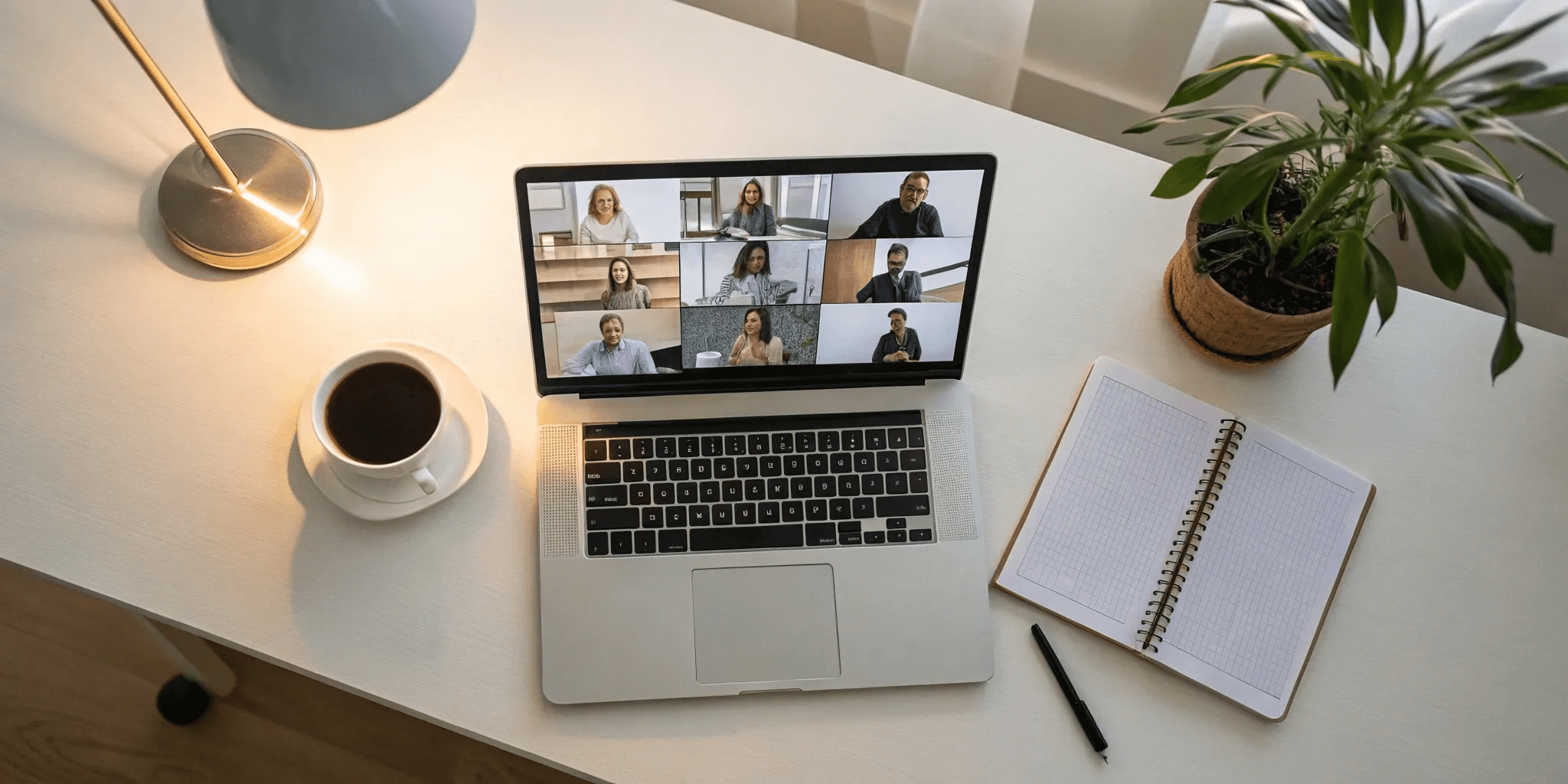
Maintaining a fair and consistent hiring process is a major challenge, especially in the early screening stages where unconscious bias can easily influence decisions. Asynchronous interviews help level the playing field by ensuring every candidate answers the exact same questions in the same format. This structured approach allows your team to evaluate applicants based on the substance of their answers, not on factors that can trigger snap judgments in a live conversation. It’s a powerful way to build a more equitable process from the ground up. This guide will explore the key features that make this possible and compare the best asynchronous interview software for reducing bias.
Key Takeaways
Streamline Screening by Ditching the Phone Screen: Asynchronous interviews eliminate the back-and-forth of scheduling, allowing your team to efficiently review a larger candidate pool and dedicate valuable live interview time to the most qualified applicants.
Focus on Core Features, Not Just Flashy Marketing: The right platform is intuitive for both candidates and recruiters. Prioritize essentials like seamless ATS integration, actionable analytics that support decision-making, and enterprise-grade security to ensure a smooth and trustworthy process.
Plan Your Rollout for a Smooth Transition: A successful launch depends on clear communication. Map out how the tool fits into your workflow, train your team on how to evaluate responses fairly, and set clear expectations for candidates to create a positive experience from the start.
What Is Asynchronous Interviewing (And How Does It Work)?
Let’s break it down. Asynchronous interviewing is essentially a one-way interview. Instead of scheduling a live call where everyone has to be available at the same time, you send candidates a set of pre-determined questions. They then record their answers on their own time, and your team can review the submissions whenever it's convenient. Think of it as the modern, more efficient alternative to initial phone screens, where candidates can answer questions on video or voice at their own pace.
The process is straightforward and designed to be simple for everyone involved. First, you use an interview platform to build your interview, selecting or writing the questions you want to ask. Then, you send a unique link to each candidate. They can click the link, read the questions, and record their responses using their computer or phone. Because there is no live interviewer present, it gives candidates the flexibility to prepare and answer when they feel most comfortable. This approach removes the pressure of a live performance and allows for more thoughtful answers.
Once a candidate submits their interview, your hiring team gets a notification. You and your colleagues can then log in to review the recordings, leave comments, and rate the answers against your scorecard—all on your own schedule. This is a huge win for recruiters because it eliminates the back-and-forth of trying to find a 30-minute slot that works for three different people. It streamlines the initial screening stage, allowing you to focus your live interview time on the most promising candidates.
Why Your Team Needs Asynchronous Interview Software
If your hiring process feels like a constant game of calendar Tetris and your team is buried under a mountain of resumes, it might be time for a change. Asynchronous interviews offer a practical solution to some of the most persistent recruiting challenges. By allowing candidates to record their answers on their own time, you can replace the logistical scramble of traditional phone screens with a more streamlined, flexible, and equitable process. This shift doesn't just make life easier for your recruiters; it fundamentally improves the quality and speed of your hiring pipeline.
Instead of losing great applicants to scheduling conflicts or rushing through initial calls, you can give every candidate a fair shot and give your team the focused time they need to make thoughtful decisions. It’s about moving beyond the old way of doing things and embracing a method that respects everyone’s time while driving better hiring outcomes. By standardizing the initial screening, you can evaluate candidates more objectively, handle a higher volume of applicants without sacrificing quality, and ultimately shorten your time-to-hire. This approach empowers your team to focus on what really matters: identifying and engaging the best talent for your organization.
End Scheduling Conflicts for Good
Coordinating schedules between candidates and multiple team members, especially across different time zones, can quickly become a full-time job. Asynchronous interviews eliminate this back-and-forth entirely. Candidates can record their responses whenever and wherever works best for them—whether that’s after their kids are in bed or on a quiet weekend morning. Your hiring team can then review these submissions at their convenience, fitting them into focused blocks of work instead of scattering them throughout the week. This flexibility respects everyone’s time and allows you to connect with top talent no matter where they are or how busy their schedule is.
Handle High-Volume Hiring with Ease
For roles that attract hundreds or even thousands of applicants, traditional screening methods just don’t scale. Asynchronous interviews are a game-changer for high-volume hiring, allowing you to efficiently screen a larger pool of candidates in a fraction of the time. Instead of spending days on back-to-back phone calls, your team can get a meaningful sense of each applicant through their recorded answers. This approach lets recruiters prioritize their time on the most promising candidates, moving them through the pipeline faster while ensuring no one gets overlooked in the initial rush. It’s about working smarter, not harder, to find the right fit.
Create a Fairer, More Consistent Process
Unconscious bias is a real and persistent challenge in hiring. Asynchronous interviews help level the playing field by introducing structure and consistency to the earliest stages of the process. Every candidate receives the exact same questions in the same order, ensuring they all have an equal opportunity to showcase their skills and experience. This structured approach helps reduce the impact of bias by focusing the evaluation on the substance of a candidate’s answers rather than on factors that can trigger snap judgments in a live conversation. It’s a simple yet powerful way to build a more equitable hiring process from the ground up.
Key Features to Look For in an Interview Platform
When you start comparing asynchronous interview platforms, you’ll quickly realize they aren’t all built the same. The right software should feel like a natural extension of your team—making life easier for recruiters, hiring managers, and candidates alike. A clunky, confusing platform can create more problems than it solves, turning off top talent and frustrating your team.
To find a tool that truly fits your needs, you need to look beyond the flashy marketing and focus on the core features that drive results. Think about the entire user journey, from the candidate who receives the interview link to the recruiter who reviews the submission. The best platforms deliver a smooth experience for everyone involved. They also offer intelligent tools that provide real insights, connect seamlessly with your other HR software, and keep everyone’s data secure. Let’s break down what to look for.
A Great Experience for Candidates and Recruiters
The whole point of asynchronous interviews is to make hiring more flexible and efficient. For candidates, this means they can record their answers whenever and wherever they feel most comfortable, without the pressure of a live call. This flexibility is a huge win for creating a positive candidate experience. A great platform is intuitive, easy to use, and doesn't require any complicated downloads or setups.
For your recruiting team, the platform should be a major time-saver. It eliminates the back-and-forth of scheduling and allows recruiters to review submissions on their own time. This frees them up from endless phone screens so they can focus on what they do best: building relationships with top contenders. The interface should be clean, simple, and make it easy to share feedback with the rest of the hiring team.
Smart AI and Actionable Analytics
AI is a powerful tool in modern recruiting, but only when it’s used thoughtfully. Look for a platform where AI assists your team, rather than making decisions for them. The best systems use AI to analyze interview content and provide objective, actionable insights that help you identify strong candidates faster. For example, some tools can score interview transcripts for key competencies, helping to reduce unconscious bias by focusing on what was said, not how it was said.
These analytics should give you a clear, data-backed view of your candidate pool. This helps your team make more consistent and fair evaluations. The goal isn’t to automate human connection out of the process, but to give your recruiters the intelligent tools they need to spot top talent with confidence.
Seamless Integration with Your HR Tech Stack
Your interview platform shouldn’t operate on an island. To keep your hiring process running smoothly, it needs to connect with the other tools you already use every day, especially your Applicant Tracking System (ATS). Whether you use Greenhouse, Workday, or another system, a seamless integration is non-negotiable. This ensures that candidate information, interview statuses, and feedback all flow automatically between systems.
Without proper integration, your team will be stuck with manual data entry, which is not only time-consuming but also opens the door for errors. A well-integrated platform creates a single source of truth for each candidate, giving your entire hiring team a unified view of the pipeline. This keeps everyone on the same page and makes the entire process more efficient from start to finish.
Top-Notch Security and Compliance
When you’re collecting candidate interviews, you’re also handling sensitive personal data. That’s why robust security and compliance features are absolutely essential. A trustworthy platform should be built with data privacy at its core, adhering to high security standards to protect both your company and your candidates. This includes everything from data encryption to secure storage and access controls.
This isn’t just a technical detail—it’s a matter of trust. Candidates are more likely to engage with a process they feel is secure. For your organization, strong data privacy practices are critical for mitigating risk and ensuring you meet regulatory requirements. As your company grows, a platform with enterprise-grade security will be able to scale with you, giving you peace of mind.
The Best Asynchronous Interview Platforms, Reviewed
Choosing the right asynchronous interview platform can feel like a big decision, but it doesn't have to be complicated. The best tool for your team really comes down to your specific needs—things like your company size, how many roles you're hiring for, your budget, and the kind of experience you want to create for candidates. Some platforms are built for speed and simplicity, perfect for startups and small businesses. Others offer a full suite of enterprise-grade features with advanced analytics and AI-powered assessments designed for large-scale hiring.
To help you find the perfect fit, I’ve broken down eight of the top asynchronous interview platforms on the market. We'll look at what makes each one unique, who it's best for, and the key features that set it apart. Think of this as your guide to understanding the landscape so you can confidently choose a partner that will help you streamline your hiring, reduce scheduling headaches, and ultimately, find the best people for your team. Let's get started.
Ezra Recruiting
Ezra stands out by focusing on voice, not video. Built by recruiters who understand the nuances of hiring, Ezra uses voice AI to bring authenticity and clarity back to the screening process. Instead of focusing on a candidate's appearance or background, it hones in on what they say and how they say it, providing deeper insights into their communication skills and thought process. This approach creates a more human-centered and less biased experience for candidates. It’s an excellent choice for companies hiring for roles where strong verbal communication is critical, like sales, customer success, and leadership. The platform is designed to give recruiters a clearer, more genuine signal on candidate quality, much earlier in the process.
VidCruiter
If your hiring process has multiple stages, VidCruiter is a platform worth looking at. It’s designed for flexibility, allowing you to build a custom workflow that might include a one-way video interview, followed by a live interview, and then a skills assessment—all within one system. VidCruiter uses AI to support structured interviews, helping ensure every candidate is evaluated against the same criteria. Its automation and reporting features are robust, making it a strong contender for larger organizations that need a comprehensive tool to manage a complex, multi-step hiring funnel. It’s particularly useful for teams that want to combine asynchronous screening with other forms of evaluation.
Spark Hire
Spark Hire is widely known for its user-friendly interface, making it a popular choice for small and medium-sized businesses that are new to asynchronous interviews. The platform is straightforward to set up and easy for both recruiters and candidates to use. It offers both one-way and live video interview options, and one of its most-loved features is the ability to easily replay and share candidate videos with hiring managers for collaborative feedback. Spark Hire also integrates with many popular applicant tracking systems (ATS), helping you keep your hiring process connected. If you’re looking for an accessible and intuitive platform to get started, this is a great option.
HireVue
HireVue is a major player in the enterprise space, known for its powerful AI and assessment tools. It goes beyond simple video questions by incorporating games and validated tests to evaluate a candidate's skills, cognitive abilities, and personality traits. This makes it particularly effective for large companies that need to screen thousands of applicants for high-volume roles. The platform provides detailed analytics and reporting to help talent acquisition leaders make data-driven decisions. With deep integrations into major HR systems, HireVue is built to handle the scale and complexity of enterprise-level recruitment, offering a comprehensive solution for global organizations.
Jobma
Jobma positions itself as a balanced, future-ready platform that serves a wide range of company sizes. It offers a versatile mix of one-way, live, and AI-enhanced interviews. One of its standout features is a library of pre-built interview question sets, which can save recruiters a ton of time when setting up new roles. The platform’s AI helps analyze candidate responses to provide deeper insights, and it integrates smoothly with popular hiring systems. Jobma strikes a good balance between being feature-rich and easy to use, making it a solid all-around choice for teams looking for a flexible and modern interviewing solution.
Hireflix
Simplicity is the name of the game for Hireflix. This platform is designed for small teams, occasional hiring, and those with a tight budget. Its biggest selling point is the incredibly low-friction experience it creates for candidates—they can record their video answers with a single click, without needing to create an account or log in. This ease of use can significantly improve completion rates. For startups or small businesses that don't need all the bells and whistles of an enterprise system, Hireflix offers a streamlined, effective way to conduct one-way video interviews without the complexity or cost of larger platforms.
Talview
Talview offers more than just interviews; it’s a comprehensive talent measurement platform. It’s designed to help teams automate the entire hiring lifecycle, from initial screening to final assessment. The platform includes tools for proctoring, coding tests, and behavioral assessments alongside its video interviewing capabilities. This makes it a great fit for organizations that are hiring for technical roles or need to manage a fully remote, end-to-end hiring process. Talview is built for modern hiring challenges, providing a suite of tools to help you evaluate candidates holistically and efficiently, no matter where they are in the world.
myInterview
If culture fit and personality are top priorities, myInterview is designed for you. The platform uses AI to analyze candidate responses and provide insights into their personality traits, helping you gauge alignment with your company culture from the very first interaction. It also emphasizes the candidate experience with features like custom branding and a simple, no-login-required interface. myInterview helps you see beyond the resume to understand the person behind it. It’s a fantastic tool for companies that want to build teams with strong chemistry and shared values, ensuring new hires will thrive in their environment.
A Head-to-Head Comparison: Pros and Cons
Choosing the right platform comes down to your team’s specific needs, budget, and hiring volume. To make it easier, here’s a quick breakdown of what each tool does best and where it might fall short. We’ll look at everything from user experience to feature depth to help you find the perfect fit.
Ezra Recruiting
Ezra is built around voice-only interviews to capture a candidate’s authentic communication style without the visual bias that can come with video. It’s designed by recruiters who understand the need for genuine connection and deep insights.
Pros: The voice-first approach helps reduce hiring bias and focuses on what candidates say, not how they look. Its AI provides detailed analysis of communication skills, and the platform is built for clarity and ease of use.
Cons: Since it’s voice-only, it may not be the right fit for roles where a visual assessment (like a presentation or product demo) is a critical part of the early screening process.
VidCruiter
VidCruiter offers a highly flexible and customizable platform that goes beyond just asynchronous interviews, incorporating features for the entire hiring workflow.
Pros: It’s a comprehensive solution with AI-powered tools for structured interviews, automation, and in-depth reporting. The platform’s flexibility allows you to tailor the hiring process precisely to your needs.
Cons: With so many customization options, the initial setup can be complex and time-consuming. It might be more than a team looking for a simple, out-of-the-box solution needs.
Spark Hire
Spark Hire is known for its simplicity and affordability, making it a popular choice for teams that want to get up and running with video interviews quickly.
Pros: The platform is incredibly easy to set up and straightforward for both recruiters and candidates. It’s a cost-effective solution that works well on any device without requiring complex training.
Cons: It lacks the advanced AI analytics and deep customization that larger organizations often require. It’s best suited for straightforward screening rather than complex, enterprise-level hiring.
HireVue
HireVue is an enterprise-grade platform designed for large companies managing high-volume recruitment. It leverages automation and data to streamline the early stages of hiring.
Pros: It excels at handling thousands of applicants, using automation to speed up screening. The platform provides data-driven insights intended to support fair and consistent hiring decisions.
Cons: HireVue can be expensive, making it less accessible for smaller businesses. Its AI-driven scoring has faced public scrutiny, and the system can be complex to learn and implement.
Jobma
Jobma provides a well-rounded platform that combines different interview formats with strong privacy features, making it a scalable option for growing companies.
Pros: It offers a blend of one-way and live interviews, a good candidate experience, and built-in tools to track applicants. The platform is also designed with data privacy and scalability in mind.
Cons: Because it’s packed with so many features, new users might need some extra time to learn how to use all of its capabilities effectively.
Hireflix
Hireflix is built on one core principle: simplicity. It offers a no-frills, one-way video interviewing experience that is incredibly easy for everyone to use.
Pros: The user experience is its biggest strength. Candidates can complete interviews on any device without downloading an app or creating an account, which helps increase completion rates.
Cons: Its simplicity comes with limitations. The platform doesn’t offer live interviews or scheduling tools and has a very limited number of integrations with other HR systems.
Talview
Talview positions itself as an "instahiring" platform, offering a suite of tools that includes assessments, proctoring, and interviews to cover the entire hiring lifecycle.
Pros: It’s a powerful, all-in-one solution that’s great for tech hiring and roles requiring skills assessments. The combination of interviews and proctored tests provides a holistic view of a candidate’s abilities.
Cons: The platform can be overly complex for teams that only need a straightforward asynchronous interview tool. Its extensive features may be more than a small or mid-sized business needs.
myInterview
myInterview focuses on letting a candidate’s personality shine through. It uses video to help recruiters get a better sense of culture fit early in the process.
Pros: The platform is designed to be engaging and user-friendly, with a focus on creating a positive candidate experience. It’s a great tool for roles where personality and communication style are top priorities.
Cons: It may be too lightweight for organizations that need deep skills assessments or complex workflow automation. The focus on personality might not be suitable for every type of role.
Breaking Down the Costs
The price tag for asynchronous interview software can feel like a moving target. Costs vary widely depending on your company’s size, how many roles you’re hiring for, and the specific features you need. Some platforms charge a flat monthly fee, while others use a pay-per-hire model or create custom enterprise packages. To give you a clearer picture of what to expect, let’s break down the pricing for some popular options, separating them into solutions for smaller businesses and those built for large-scale teams.
Options for Startups and SMBs
If you’re a startup or a small business, you need a tool that’s both effective and budget-friendly. Platforms like Hireflix are great for teams that want simple, one-way video interviews. They offer a one-month free trial, with plans starting around $75 per month for companies under 50 employees. Another popular choice is Willo, which has a "Free Forever" plan for very low-volume hiring. For teams that are scaling, their paid plans start at $249 per month. Many of these SMB-focused platforms are designed to grow with you, offering a straightforward way to streamline hiring without a huge upfront investment.
Solutions for Enterprise Teams
For larger organizations, the focus shifts from simple pricing to features that support high-volume, complex hiring. Enterprise-level platforms are built to handle thousands of candidates and integrate deeply with your existing HR systems. For example, HireVue is a well-known player in this space, with plans starting at $35,000 per month for companies with 2,500-7,500 employees. Others, like VidCruiter, offer custom pricing based on your annual hiring volume. You'll also find specialized tools like BarRaiser, which uses AI to assist with live technical interviews. These enterprise solutions often require a custom quote, but they provide the robust security, analytics, and support that large teams need.
Common Implementation Hurdles to Prepare For
Switching to any new software comes with a learning curve, and asynchronous interview platforms are no exception. While the benefits are clear, anticipating potential roadblocks will help you create a much smoother transition for your team and your candidates. Think of it less as a list of problems and more as a checklist to guide your decision-making. By knowing what to look for, you can choose a partner that helps you sidestep these common issues from the start and set your team up for success.
Ensuring a Smooth User Experience
The last thing you want is for your new, efficient process to be derailed by a clunky interface. If candidates find the platform confusing or difficult to use, they might abandon their application altogether. The same goes for your hiring team—if the software is a headache to manage, adoption will be slow. A smooth user experience is non-negotiable. When vetting platforms, put yourself in the shoes of both the applicant and the recruiter. Is it intuitive? Is it accessible? A platform that’s easy for everyone to use is crucial for keeping your hiring pipeline full and your team happy.
Making Up for the Lack of Real-Time Interaction
One of the biggest concerns with asynchronous interviews is that they can feel impersonal. Without the back-and-forth of a live conversation, some candidates might feel disconnected from the process. The key is to find a platform that bridges this gap. While one-way video interviews can sometimes feel like an audition, a voice-based interview can bring a layer of authenticity back into the conversation. It allows a candidate’s personality and communication skills to shine through without the pressure of being on camera, creating a more genuine and less performative interaction that feels more human.
Getting the Right Technical Support
Even the most user-friendly software can have its moments. When a candidate runs into a technical snag or a recruiter can't figure out a feature, you need to know that help is readily available. Before you commit to a platform, look into the level of technical support they offer. Do they provide comprehensive training and resources to get your team up to speed? Is there a clear and responsive process for both your internal users and candidates to get help when they need it? Strong customer support is a critical part of a successful rollout and ensures that small technical issues don’t become major hiring roadblocks.
How to Choose the Right Platform for Your Team
The best asynchronous interview platform isn't a one-size-fits-all solution. The right choice depends entirely on your company's size, hiring volume, budget, and technical needs. A fast-growing startup has very different priorities than a global enterprise, and your software should reflect that. For instance, a smaller team might prioritize a simple, budget-friendly tool that gets the job done without a steep learning curve. They need something that’s easy for both recruiters and candidates to pick up and use immediately, often with flexible pricing that can scale as they grow.
On the other hand, a large organization needs a powerhouse platform. They’re looking for robust security, deep integrations with their existing HR systems (like an ATS), and advanced analytics to help them make data-driven decisions. Customization is also key, as they need to tailor the interview process to fit complex workflows across different departments and roles. As you evaluate your options, think about your must-haves versus your nice-to-haves. Start by mapping out your current hiring process and identifying the biggest bottlenecks you want to solve. This will give you a clear scorecard for choosing a platform that truly fits your team.
For Small to Medium-Sized Businesses (50-500 employees)
If you're leading a team at a small or mid-sized company, your top priorities are likely efficiency, cost, and a great user experience. You need a platform that’s straightforward and doesn't require a dedicated IT team to manage. The last thing you want is a clunky process that causes top talent to drop out. Flexible pricing models, like pay-as-you-go or plans designed for lower hiring volumes, are also crucial for managing your budget effectively. Prioritize solutions that allow for custom branding and work seamlessly on any device, ensuring a professional and accessible experience for everyone involved.
For Enterprise Organizations (500+ employees)
For large organizations, the name of the game is scalability, security, and deep functionality. Your team needs a platform that can handle high-volume hiring across multiple departments without breaking a sweat. Look for advanced features like AI-powered analytics that can offer insights into candidate responses and help reduce bias. The ability to integrate with your existing HR tech stack, especially your Applicant Tracking System (ATS), is non-negotiable for maintaining a single source of truth. You’ll also want deep customization options to build multi-stage, complex interview workflows. Finally, enterprise-grade security and compliance are paramount to protect sensitive candidate data and meet industry regulations.
Your Game Plan for a Successful Rollout
Switching to an asynchronous interview platform is more than just a software update—it’s a change in how you connect with talent. A thoughtful rollout plan ensures your team and your candidates feel confident and supported from day one. By focusing on process, people, and communication, you can make the transition smooth and get the results you’re looking for, faster.
Define Your New Interview Process
Before you send out a single interview invitation, map out exactly how this new tool fits into your hiring workflow. This isn't about simply replacing a phone screen with a one-way video. It's an opportunity to standardize your approach and focus on what truly matters. Start by defining the core competencies for each role and craft questions that give candidates a chance to showcase those specific skills. Remember, the goal is to create an experience that feels structured, fair, and respectful of everyone's time. The flexibility of asynchronous interviews is a huge plus for candidates and recruiters, but only if the process itself is clear and intentional.
Get Your Hiring Team On Board
Your recruiting team is key to making this work. If they see the new platform as just another task, you’ll struggle to get buy-in. Frame the change around the benefits to them: less time spent on scheduling, more time for high-quality candidate interactions, and better data to make decisions. Acknowledge that one-way interviews can feel different, and provide training on how to evaluate responses effectively and without bias. A great candidate experience starts with a team that understands the why behind the tool and feels equipped to use it well. When your team is confident, candidates will be, too.
Keep Candidates in the Loop
For many candidates, an asynchronous interview might be a new experience. Avoid confusion and anxiety by communicating clearly and proactively. When you invite them to an interview, explain what it is, why you use it, and what they can expect. Let them know their responses will be reviewed thoughtfully by your team. Provide a clear deadline and a point of contact for technical questions. This small amount of prep work demystifies the process and shows candidates you value their time and effort. By setting clear expectations, you create a positive experience that reflects well on your employer brand and keeps top talent engaged.
Related Articles
Frequently Asked Questions
Will asynchronous interviews make our hiring process feel too impersonal? That’s a common and valid concern, but it really comes down to how you frame the experience. You can make it feel more human by being transparent from the start. In your invitation, explain why you use this method—to respect their time and give everyone a fair chance to respond thoughtfully. Craft questions that let their personality and expertise shine through, and be sure to follow up promptly once your team has reviewed their submission. When done right, it shows candidates you value their time far more than a rushed, 15-minute phone call ever could.
How do we evaluate these interviews fairly without the back-and-forth of a live conversation? The key to fair evaluation is structure. Before you even send out the first interview, your hiring team should agree on a simple scorecard that defines what a great answer looks like for each question. This forces everyone to evaluate candidates against the same objective criteria, focusing on the substance of their responses rather than unconscious first impressions. This consistency is actually one of the biggest advantages over a traditional phone screen, where conversations can easily go off-track.
Does this replace the initial phone screen completely? For many teams, yes, that’s exactly the goal. Think of it as a more efficient and consistent version of the initial screening call. It solves the logistical nightmare of scheduling and allows you to get a much richer sense of a candidate’s communication skills and experience early on. This way, you can save your valuable live interview time for the most promising, pre-vetted candidates who have already demonstrated they are a strong potential fit.
What if a great candidate isn't comfortable on camera? Camera anxiety is a real thing, and it doesn’t necessarily reflect a candidate’s ability to do the job. The best way to address this is to choose a platform that gives candidates options. Some of the most forward-thinking tools are moving toward voice-only interviews for this very reason. By removing the visual pressure, you allow candidates to focus entirely on their answers, giving you a clearer signal of their communication skills and thought process without the added stress of a video performance.
How do I get my hiring managers on board with this new process? The best way to get buy-in is to focus on what matters most to them: saving time and finding better candidates. Frame it as a tool that eliminates scheduling headaches and allows them to review applicants whenever it fits into their busy schedule—whether that’s first thing in the morning or after a day of meetings. Suggest running a small pilot for a single role to let them experience the benefits firsthand. Once they see how much more efficient and focused the process becomes, they’ll be your biggest advocates.